Tunuyán
Tunuyán, Mendoza, Argentina.
123 ha.
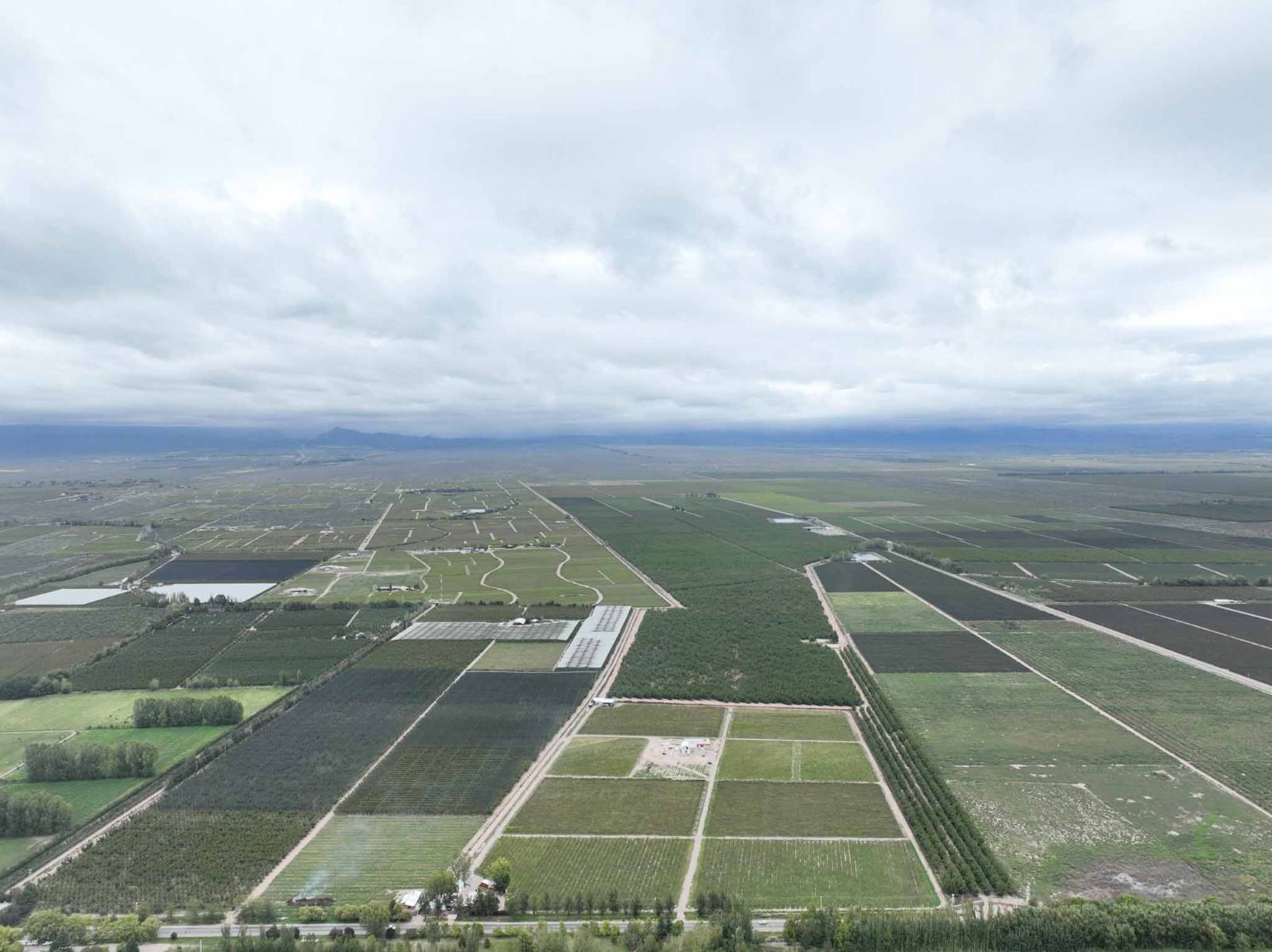
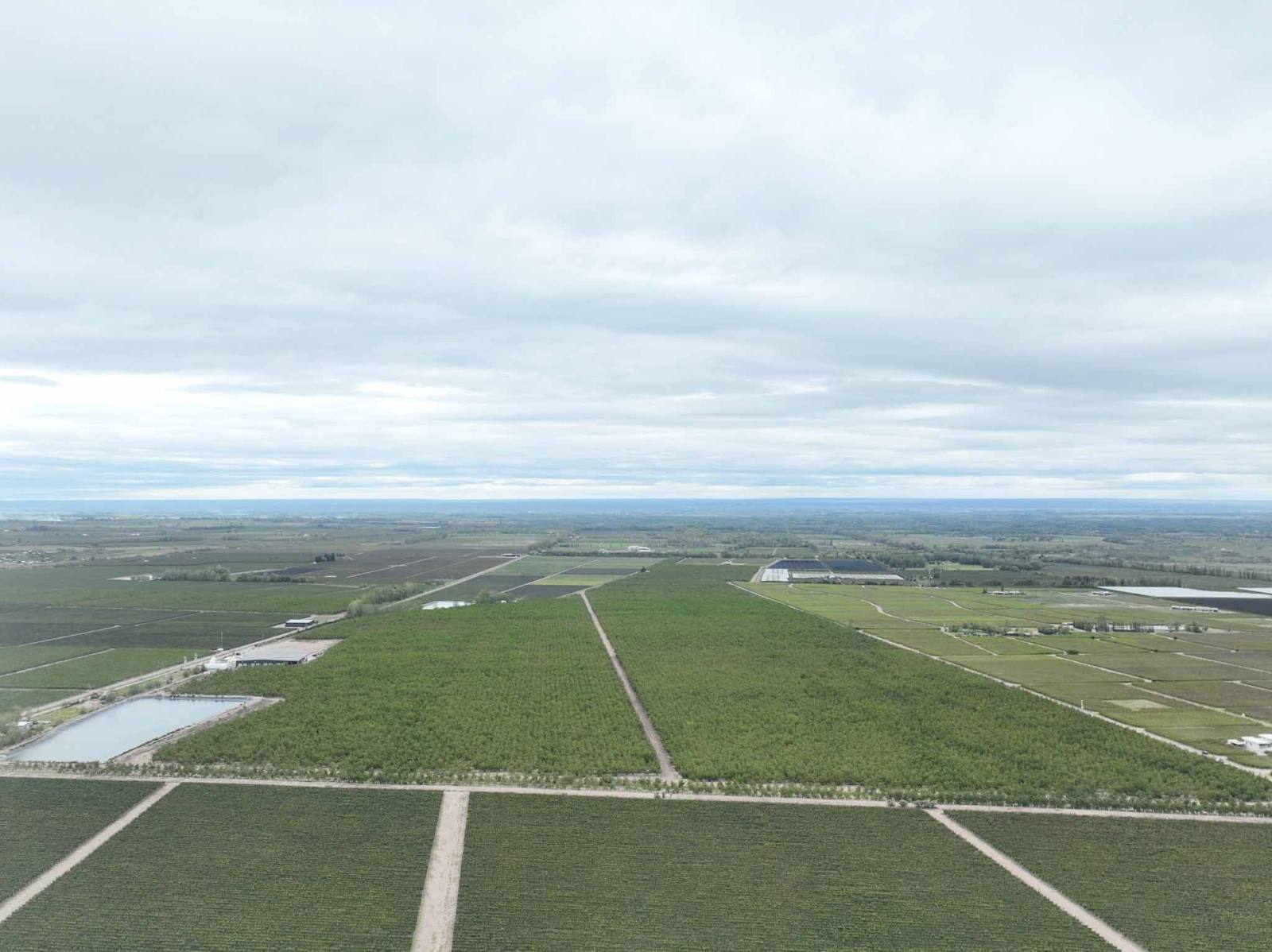
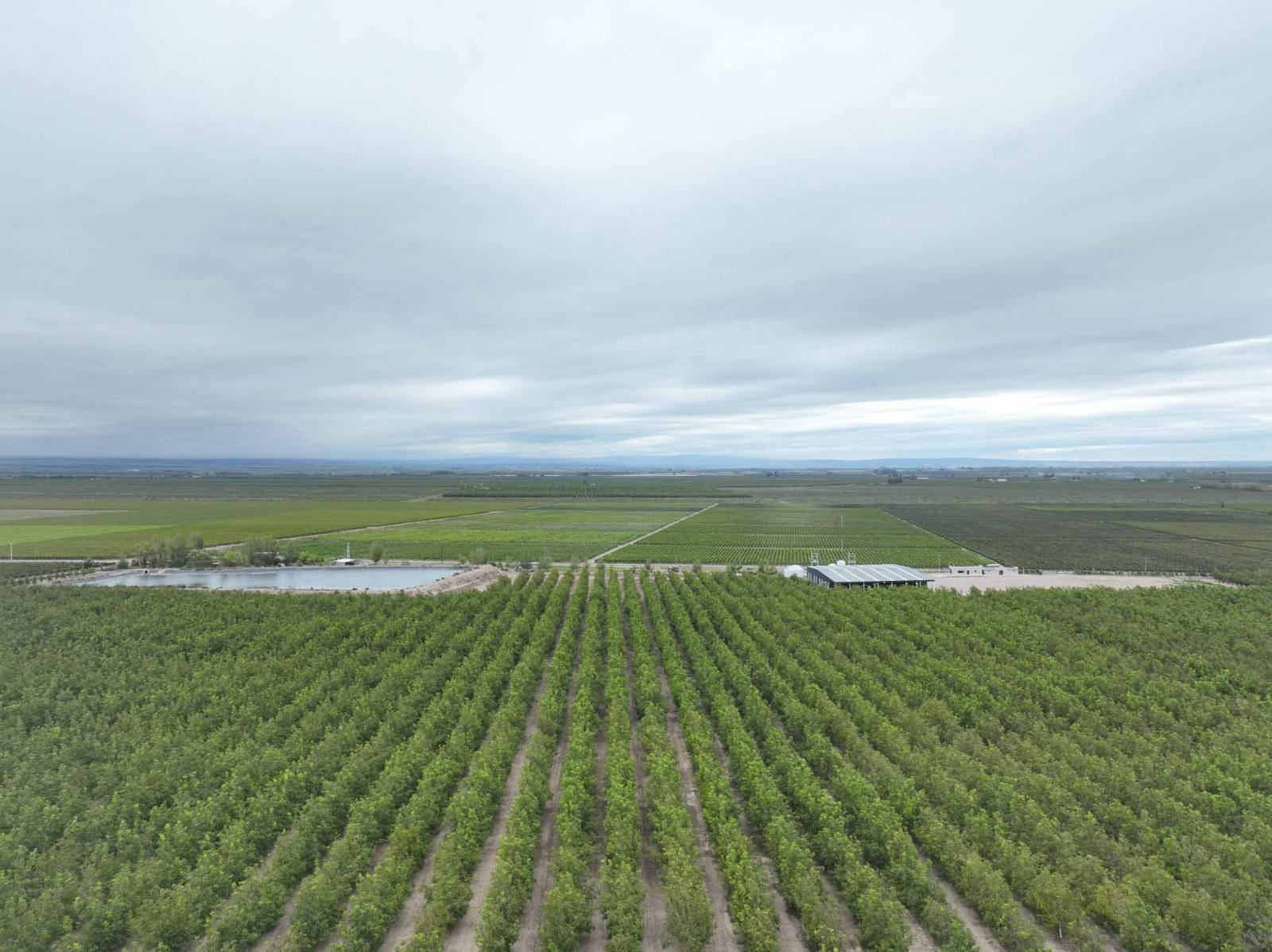
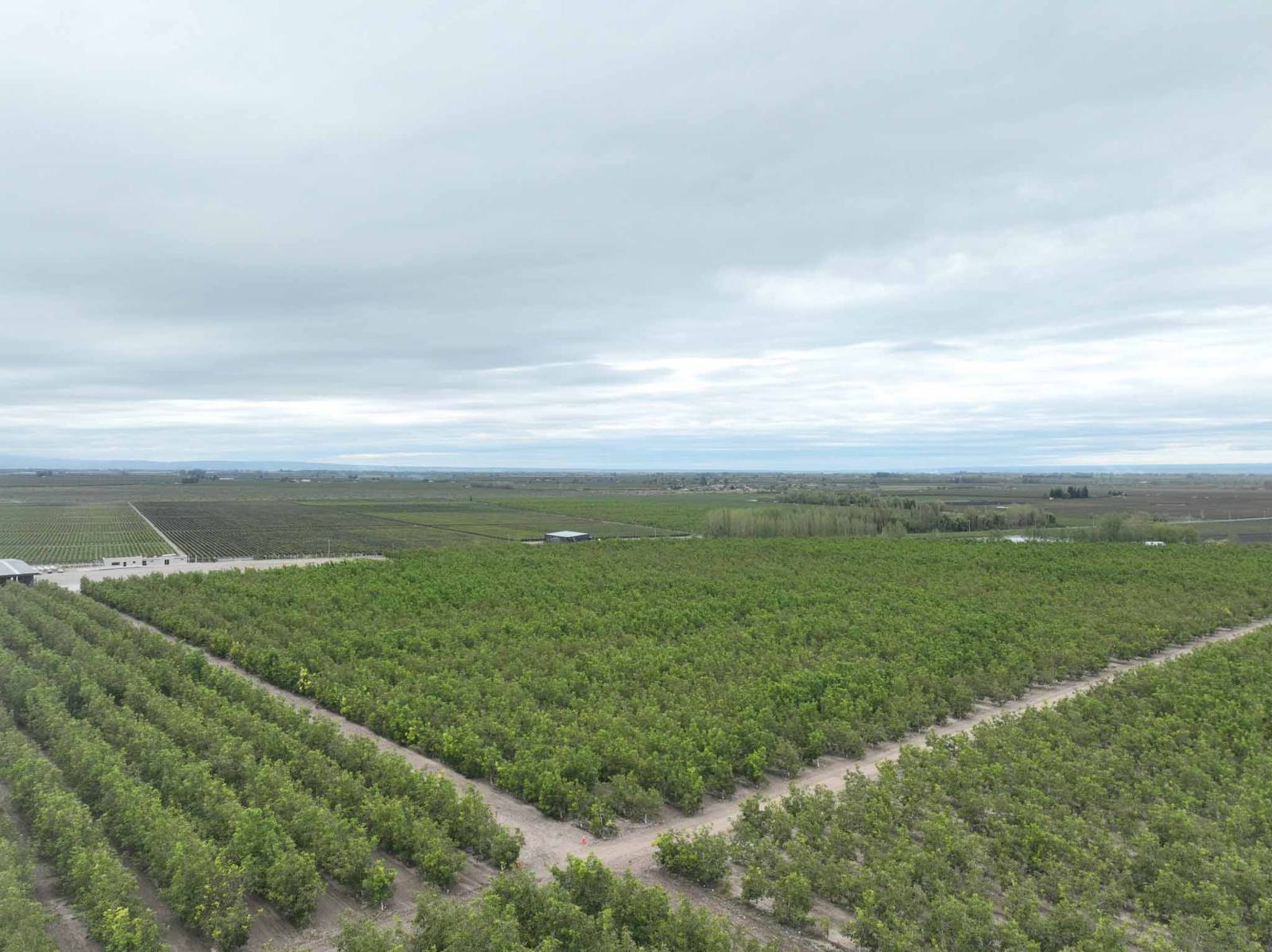
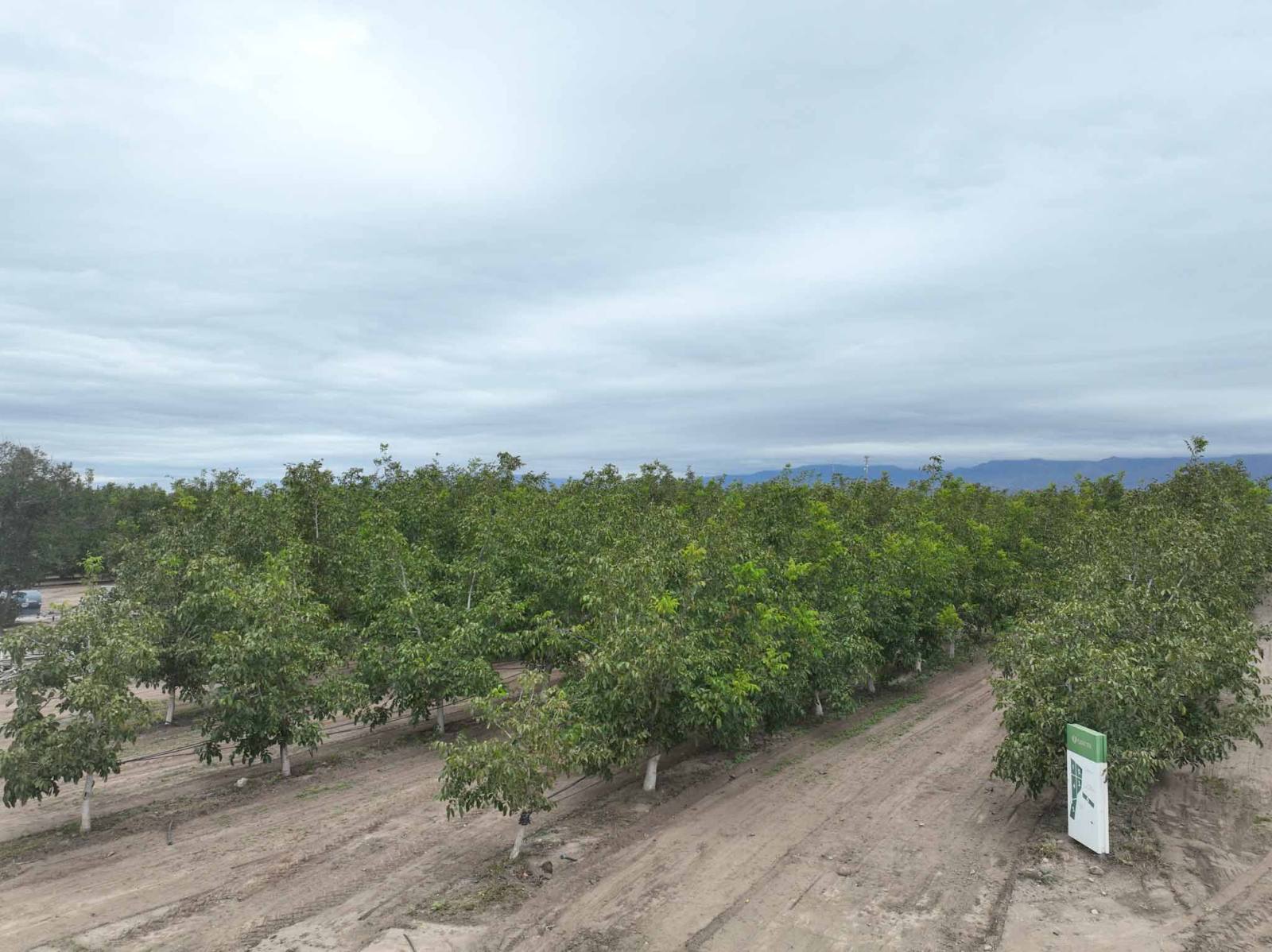
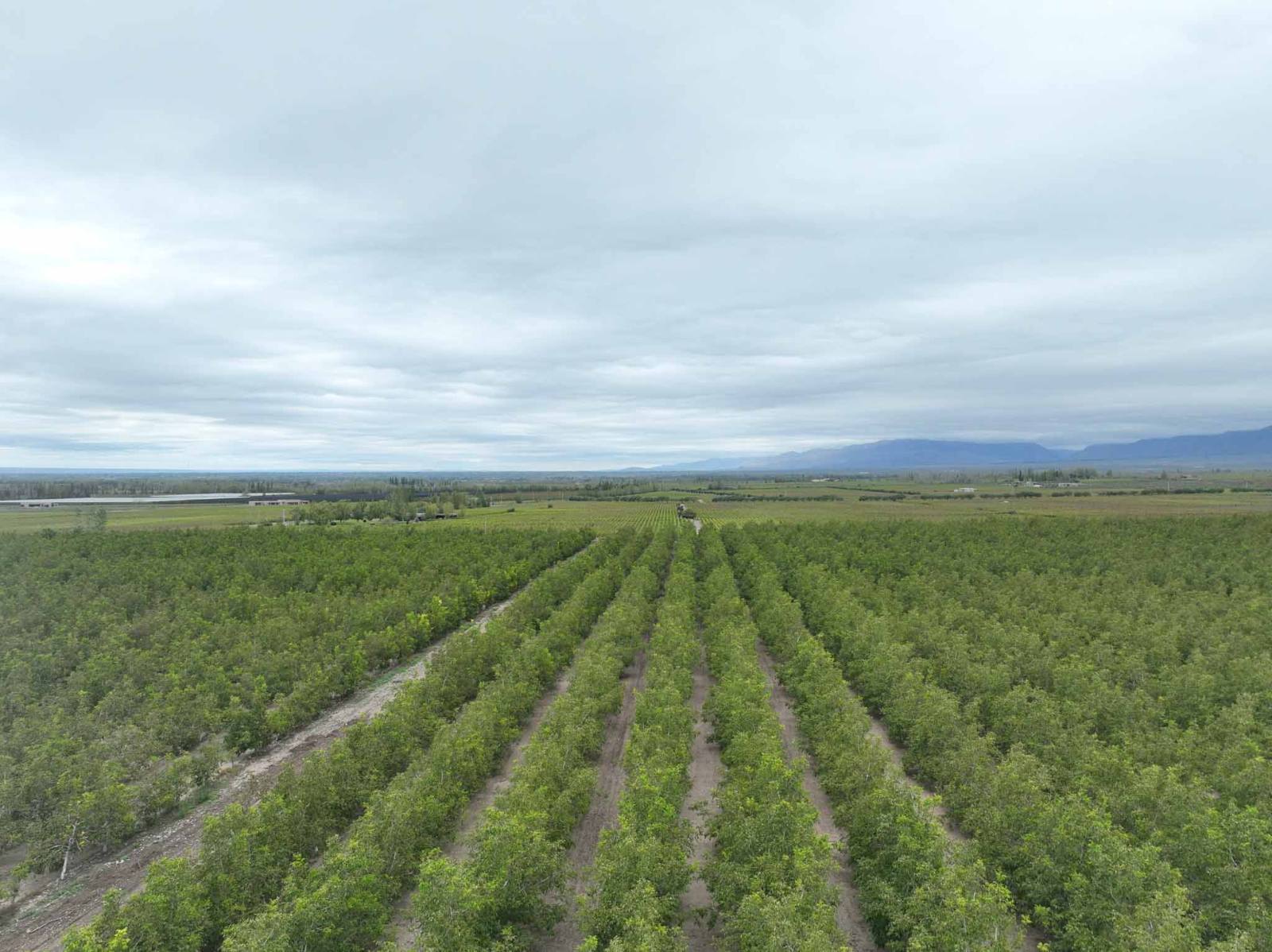
Walnut farm planted with Chandler walnut trees, comprising 108 productive hectares. The orchard was established between 2016 and 2017 and has an estimated annual production potential of 600,000 to 700,000 kilograms of dried walnuts.
Between $10M y $15M
Tunuyán
Tunuyán, Mendoza, Argentina.
123 ha.
Total
Walnut farm planted with Chandler walnut trees, comprising 108 productive hectares. The orchard was established between 2016 and 2017 and has an estimated annual production potential of 600,000 to 700,000 kilograms of dried walnuts.
Between $10M y $15M
OTHER
APTITUDES
108 ha.
AGRICULTURAL
Walnut farm planted with Chandler walnut trees, comprising 108 productive hectares. The biological asset is currently at the inflection point of its production curve. The orchards, established in 2016 and 2017, are now 9–10 years old and entering their full-production stage. Current yields have averaged 4,110 kg/ha from 2021 through 2025, with expectations of reaching 6,500 kg/ha or more beginning in 2026, and a projected stabilization around 5,600 kg/ha through 2040 and beyond. The plantation has an estimated remaining productive life of 27–28 years.
An investor acquires an asset that has already passed through its initial investment phase and agronomic risk period, while retaining the full upside potential of future production growth. Tree maintenance and pruning are performed every four years, during the winter season, in the sectors where required. The entire farm is 100% mechanized.
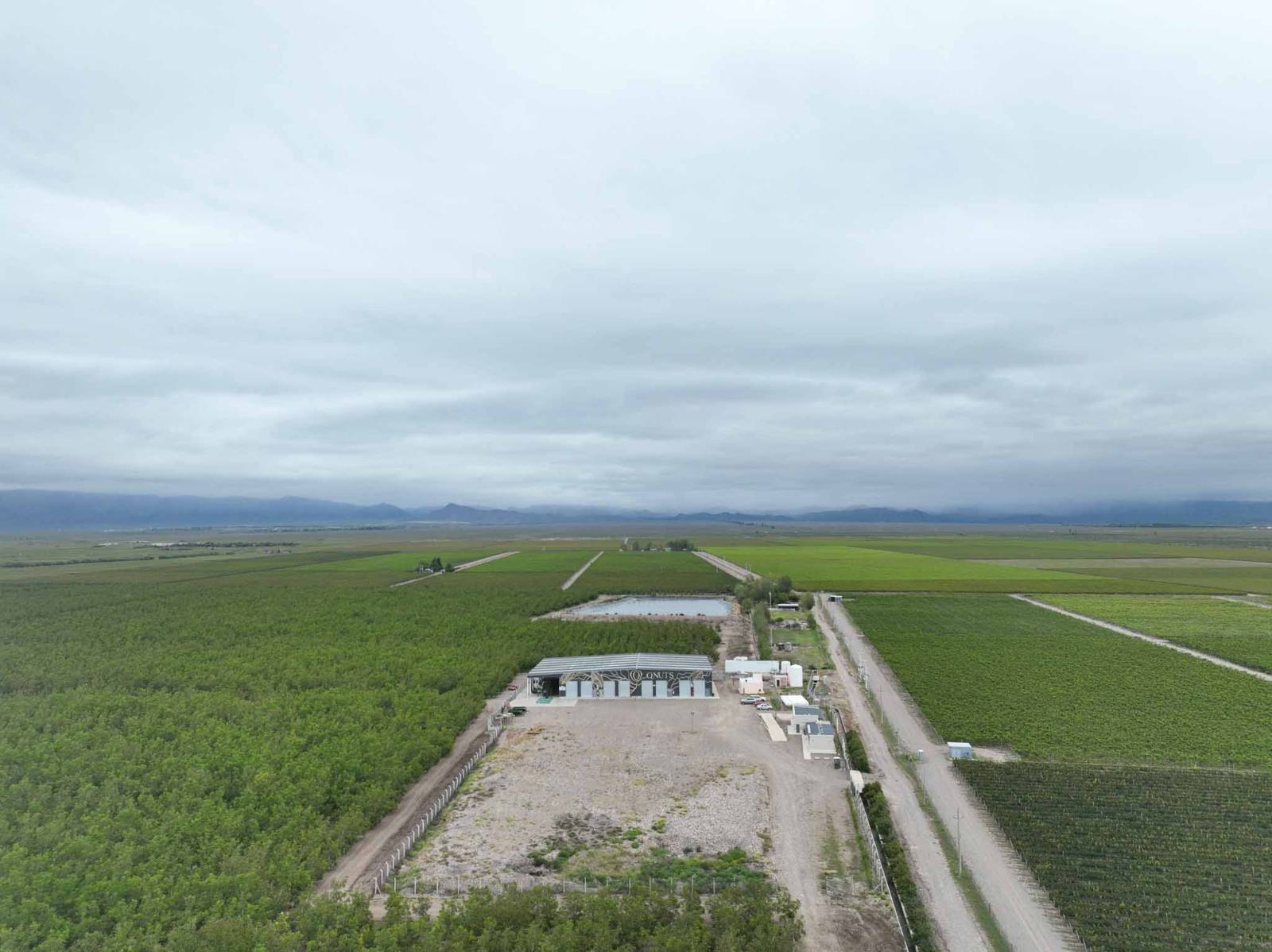
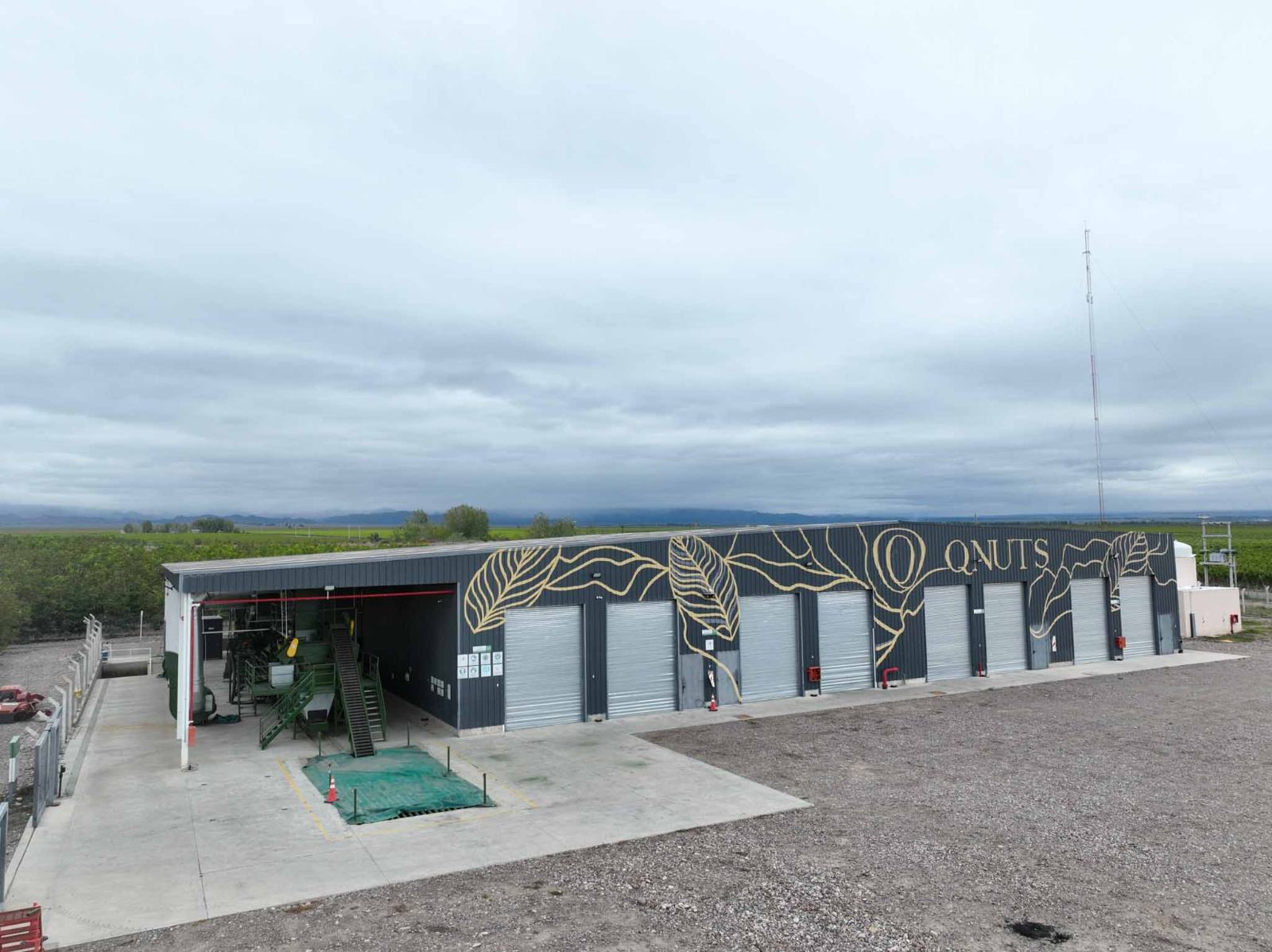
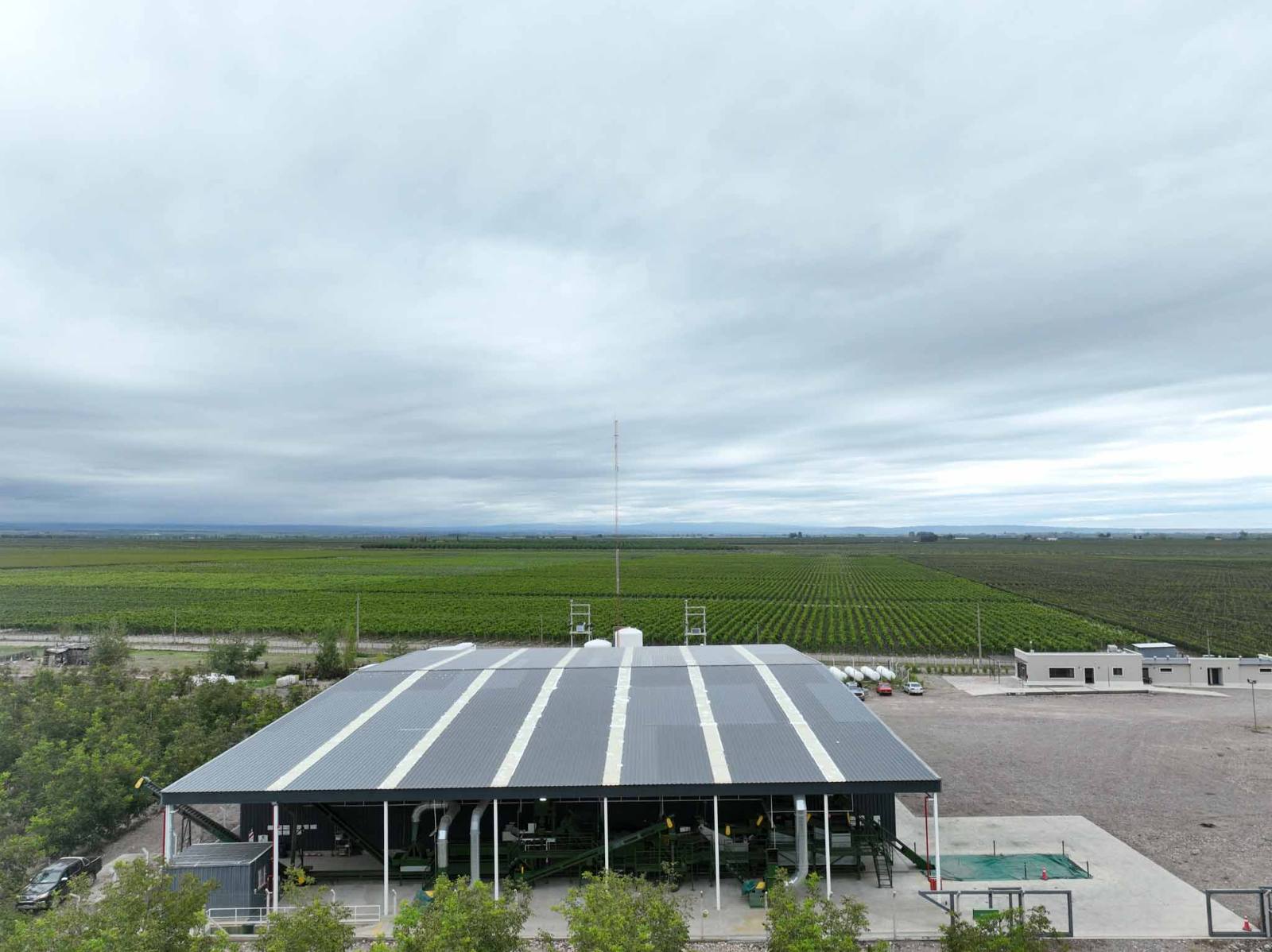
The property includes a 2,500 m² industrial processing facility equipped with Wizard machinery, approximately five years old, with a processing capacity of 2,400 tons per year. This facility not only processes the farm’s own harvest but also generates additional revenue through third-party processing services, with the capacity to handle production from approximately 500 hectares of walnut orchards. The plant holds HACCP, GMP, and NFA certifications, enabling direct export operations.
Commissioned in 2020, the facility has processed five harvest seasons to date. It is organized into three distinct operational areas: cleaning, drying, and storage/sorting/dispatch.
The farm benefits from its own deep well, weekly irrigation allocation rights, and a 60,000,000-liter reservoir—one of the largest water storage facilities in the region. These resources support a drip irrigation system covering the entire property, divided into three management sectors according to slope, soil characteristics, and temperature conditions. Water availability exceeds the farm’s requirements, partly because neighboring properties are predominantly dedicated to garlic production, which is harvested in November and December and requires little to no irrigation for several months thereafter.
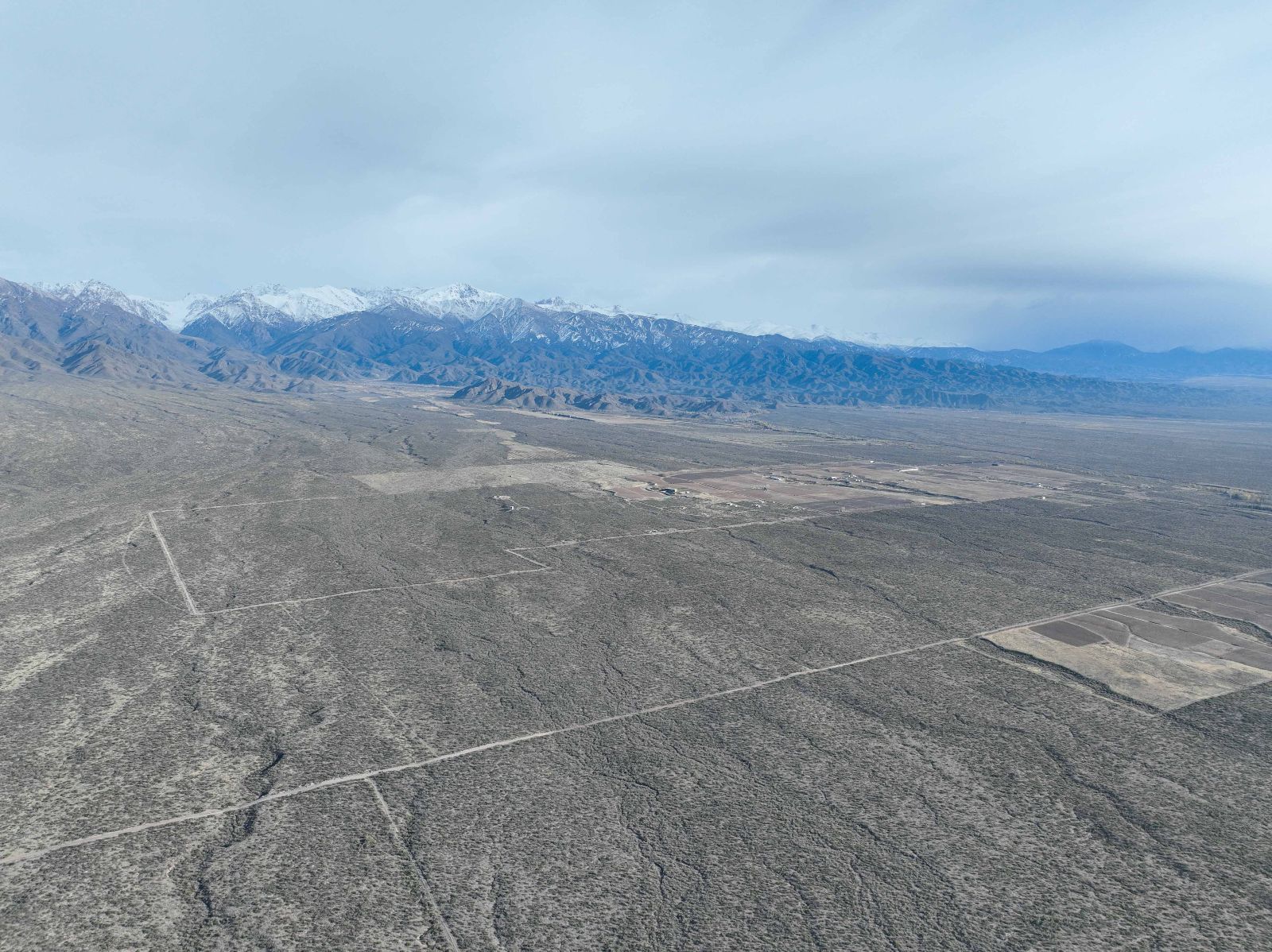
Water resources are also utilized for frost protection. The area receives average annual rainfall of approximately 250 millimeters. The property is located just 500 meters from Los Sauces and 17 kilometers west of Tunuyán.