
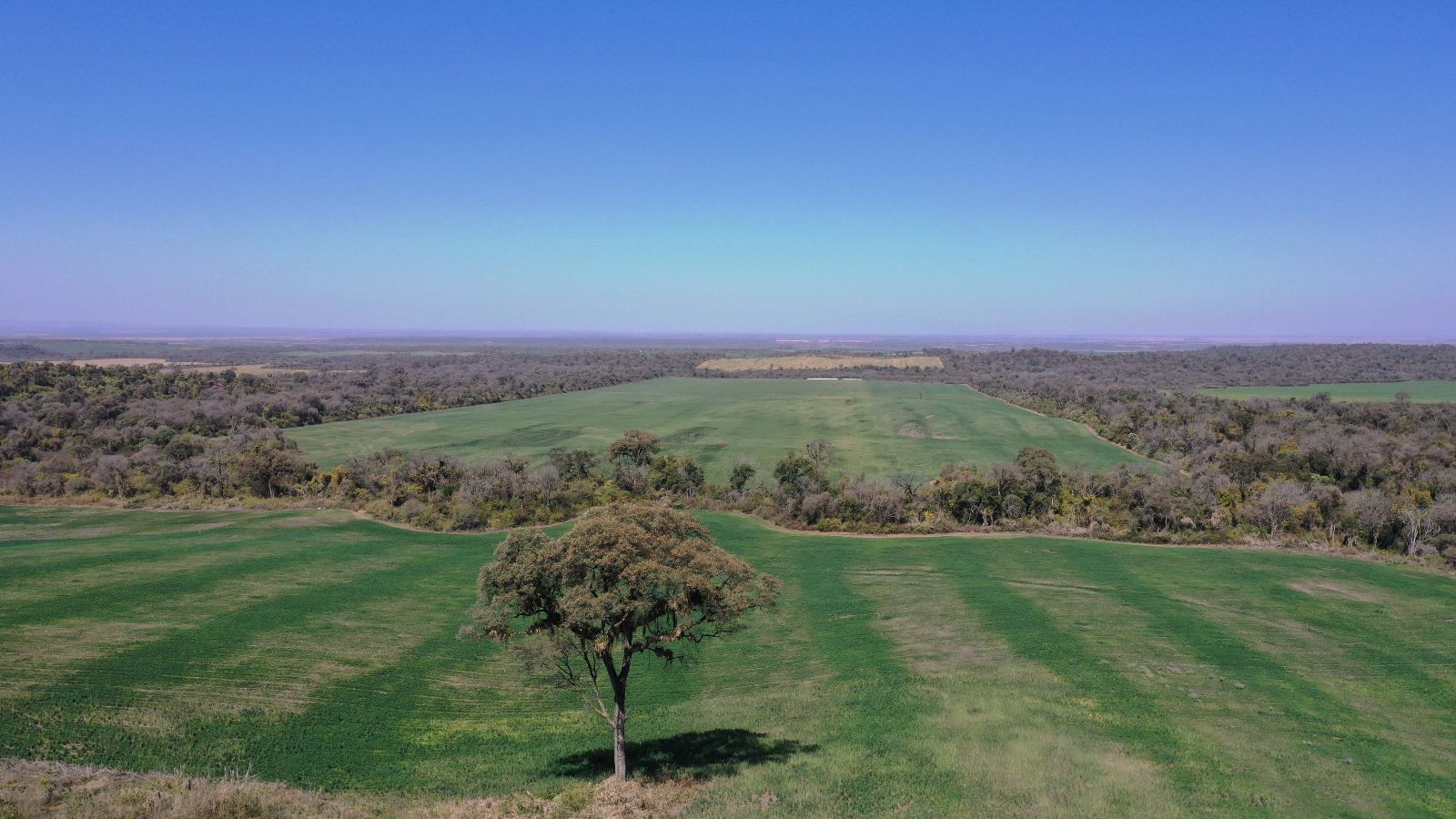
Río Piedras
Río Piedras, Salta, Argentina.
750 ha.
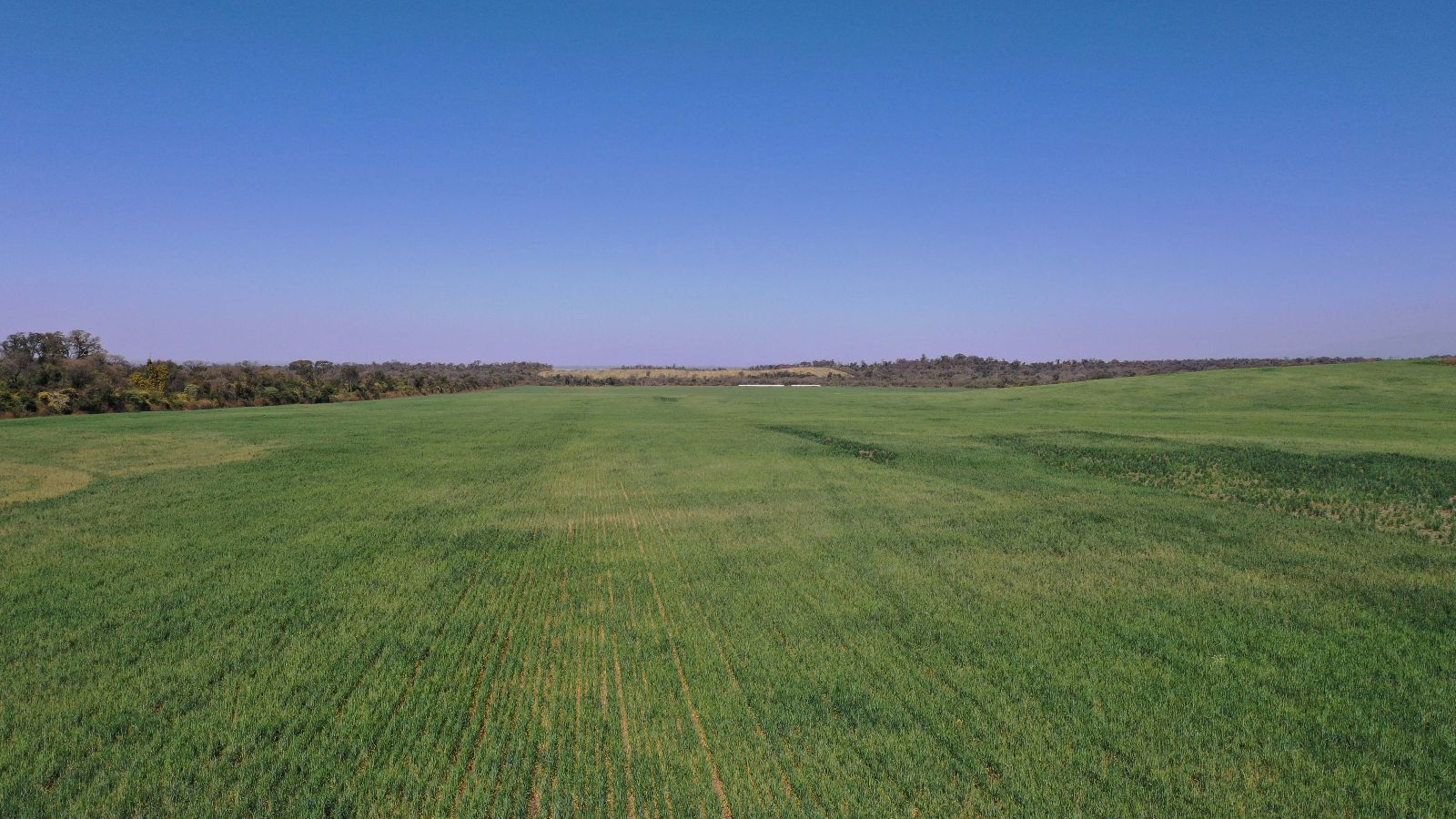
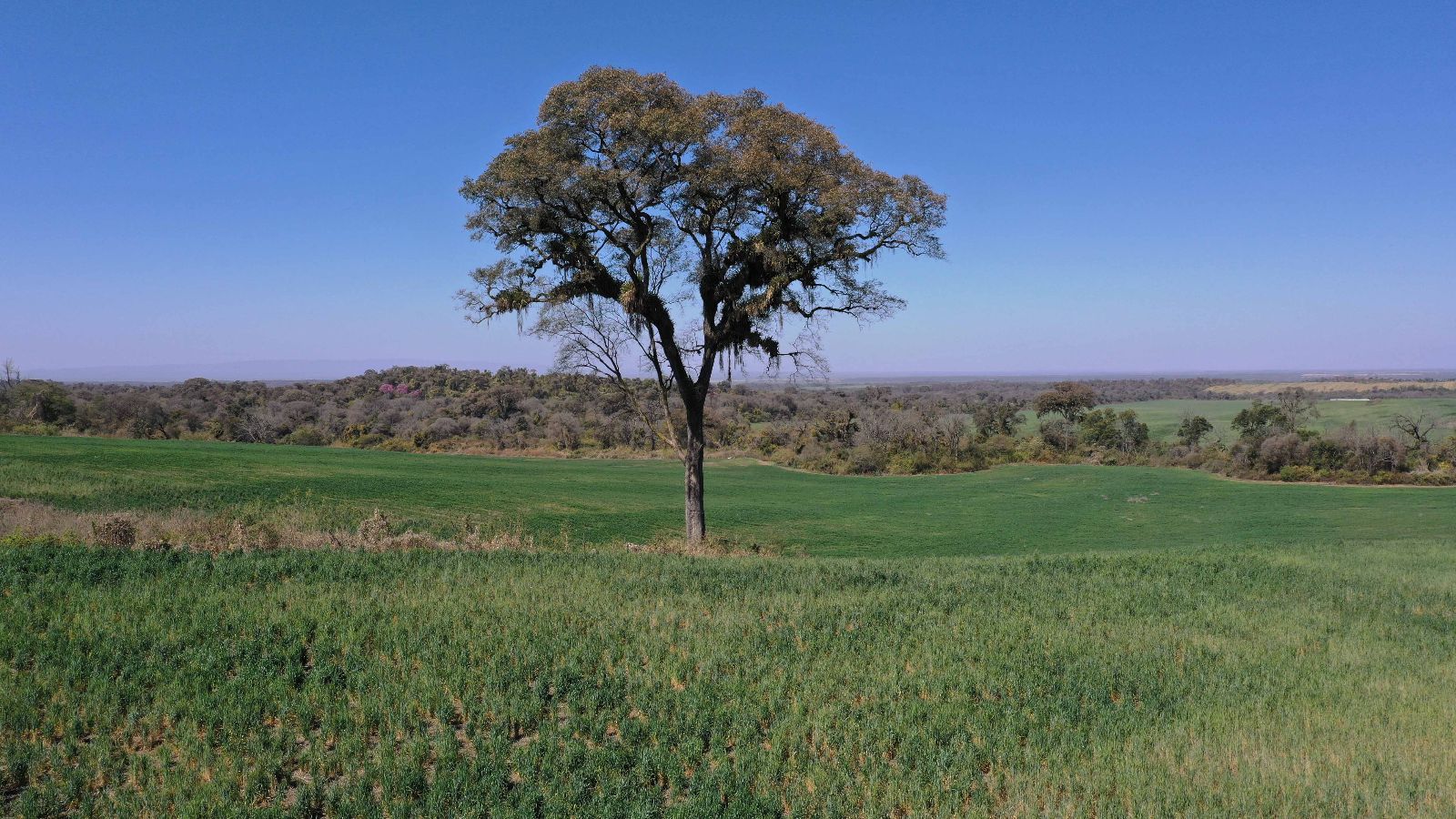
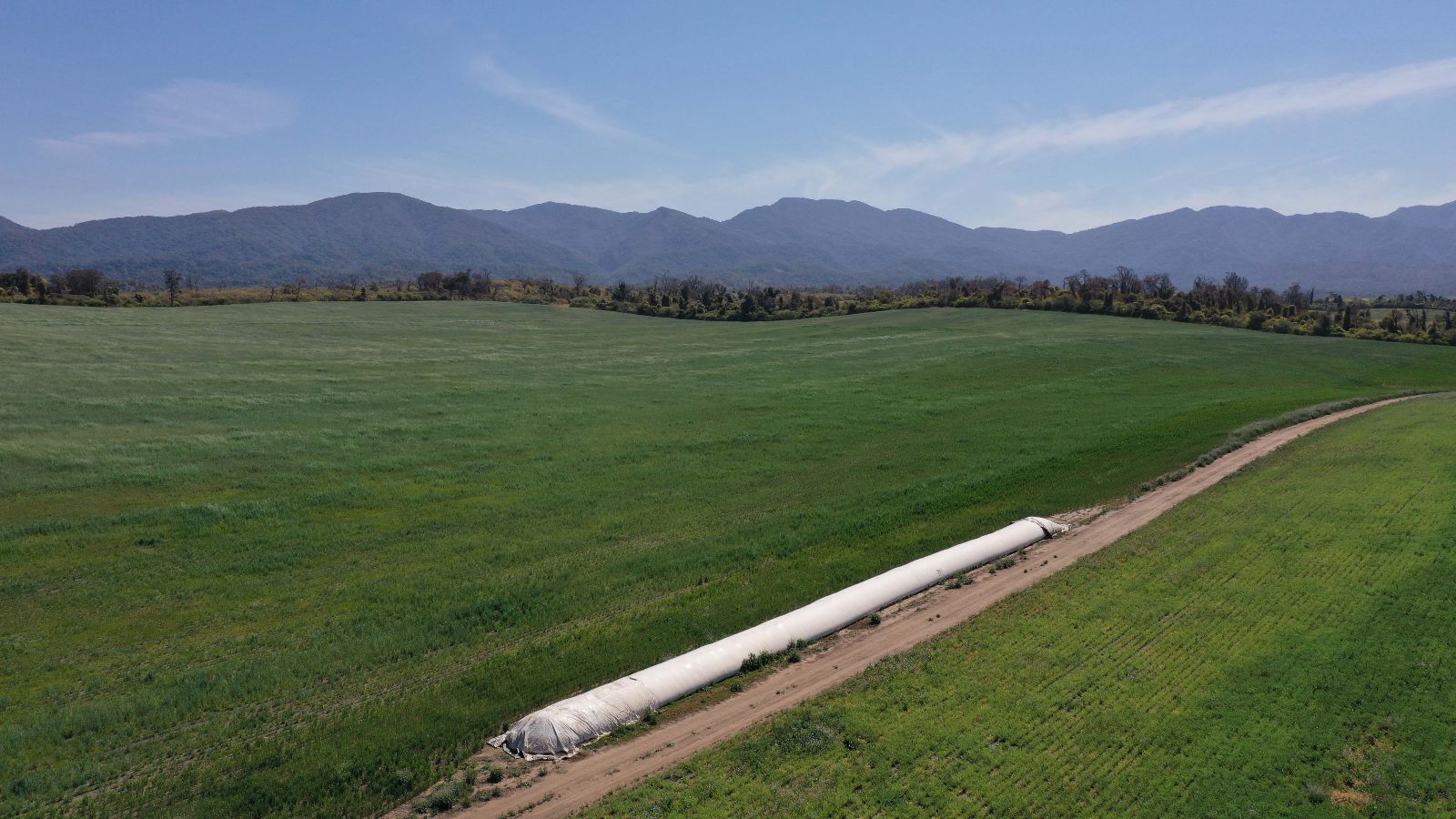
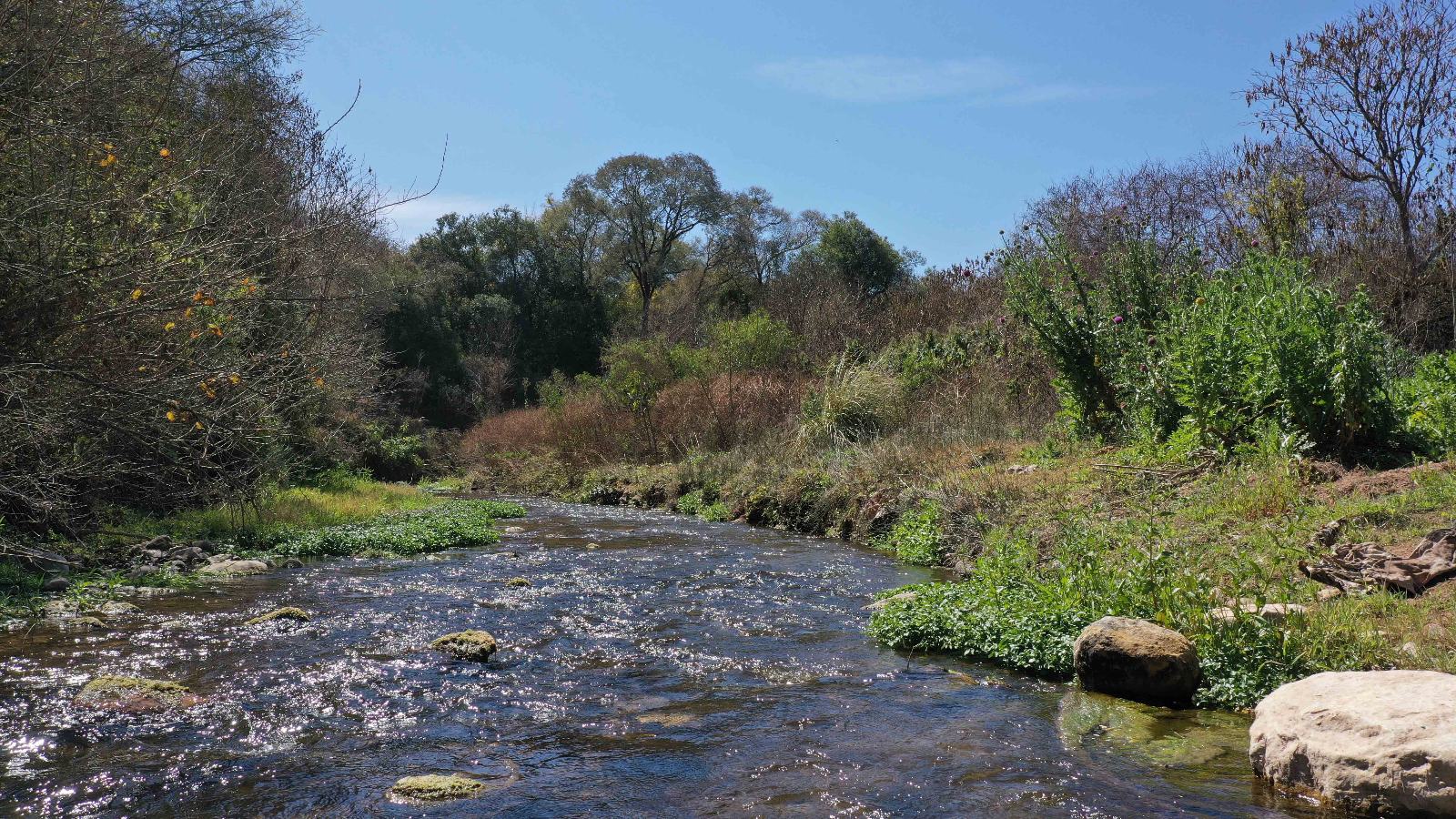
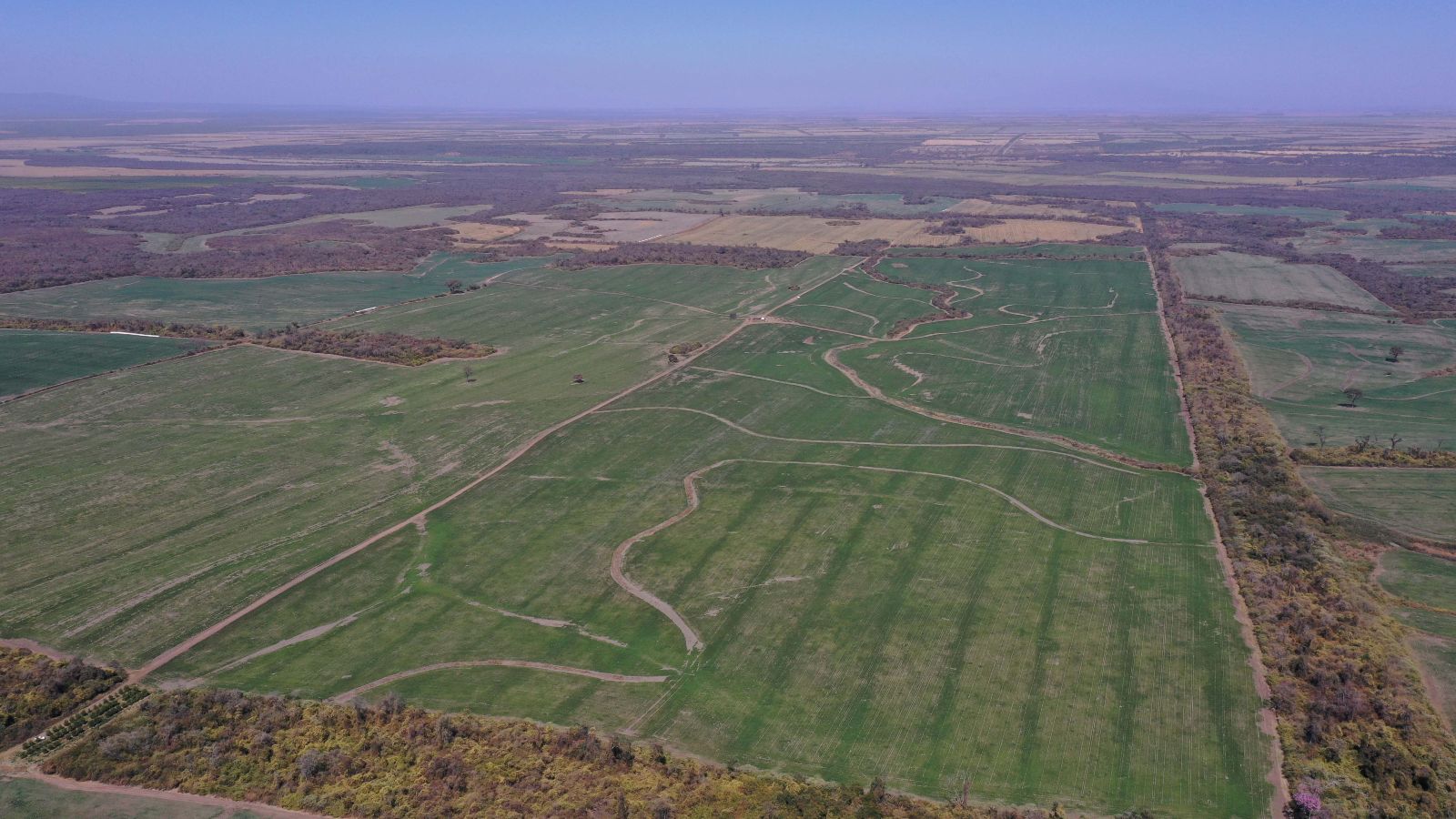
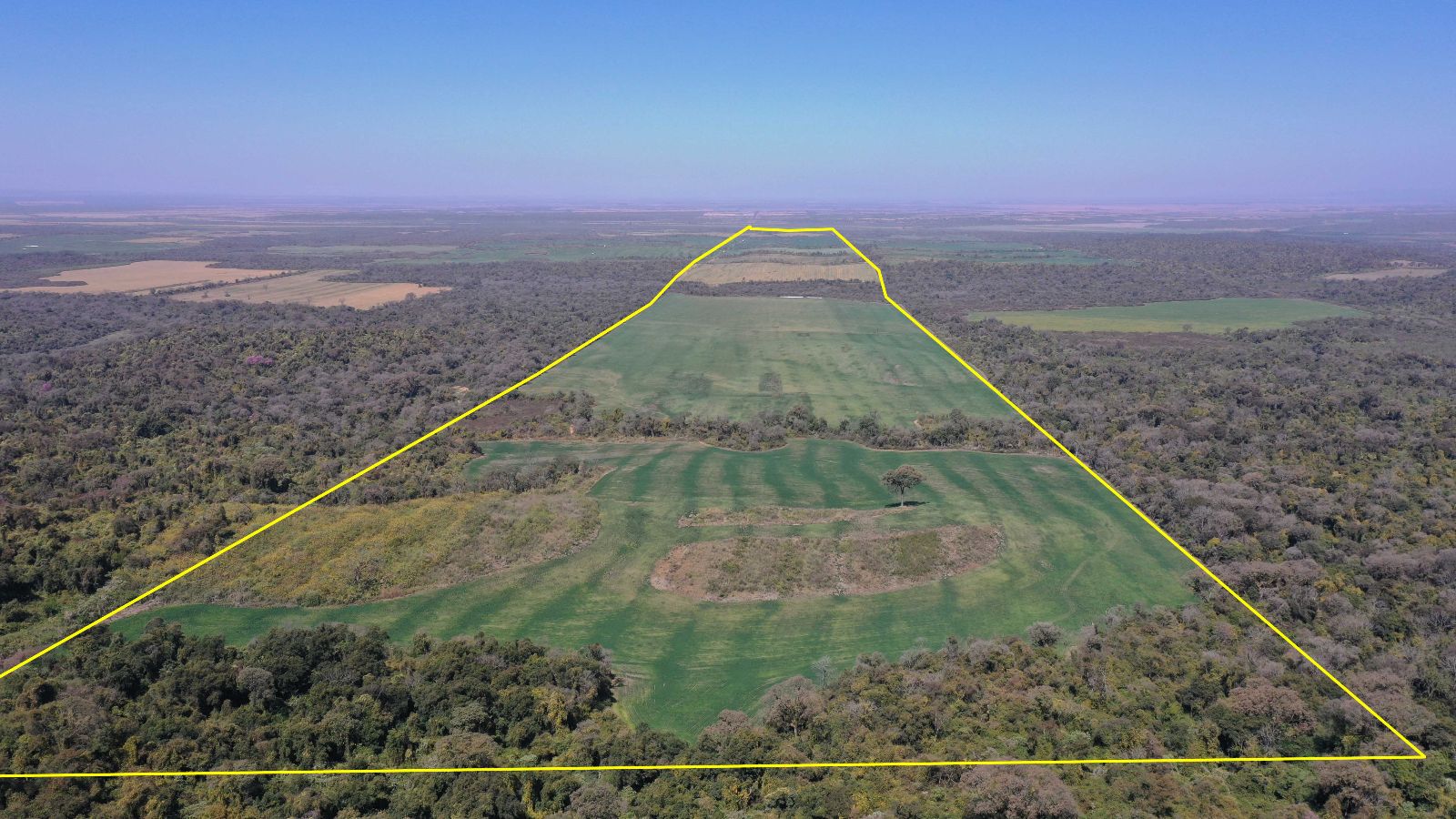
Agricultural property of 750 hectares, ideal for corn, soybeans, wheat, and chickpeas. It has good soil and temperature conditions for lemon plantations. A canal runs through the property, with irrigation rights for 150 hectares.
Less than $3M
Río Piedras
Río Piedras, Salta, Argentina.
750 ha.
Total
Agricultural property of 750 hectares, ideal for corn, soybeans, wheat, and chickpeas. It has good soil and temperature conditions for lemon plantations. A canal runs through the property, with irrigation rights for 150 hectares.
Less than $3M
AGRICULTURAL
APTITUDES
AGRICULTURAL
WATER SOURCE
Agricultural property of 750 hectares, located near Río Piedras, along the road connecting Río Piedras with El Galpón. Access is via National Route N°9 through Río Piedras, followed by 18 km of gravel road in good condition, or via National Route N°16 through El Galpón, taking the same road in the opposite direction for 17 km.
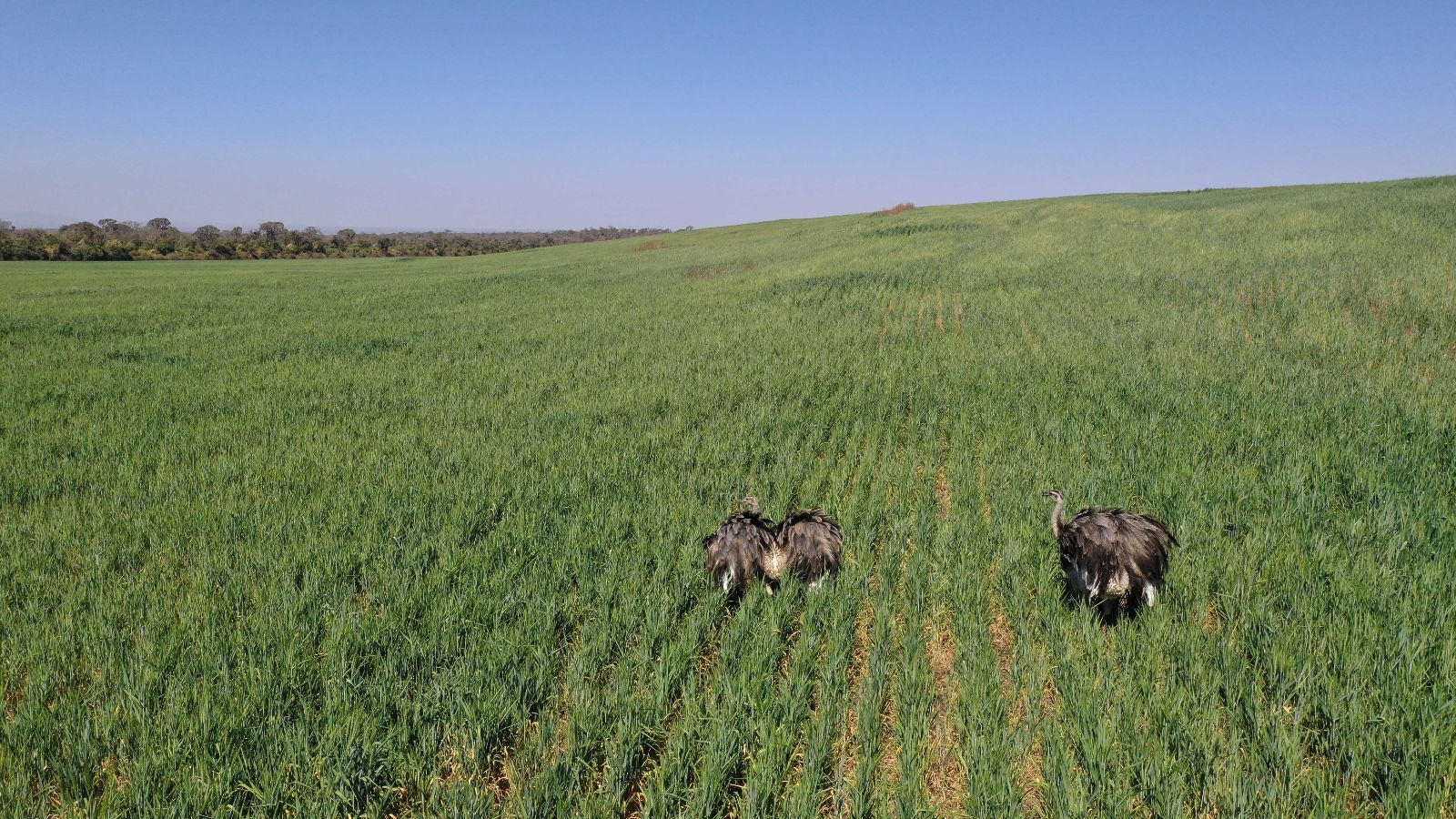
Excellent rainfall regime and soil quality, suitable for double cropping. Ideal for corn, soybeans, wheat, and chickpeas. The soil and temperature are also favorable for lemon plantations. A canal runs through the property, with irrigation rights for 150 hectares.
SIMILAR PROPERTIES IN SALTA
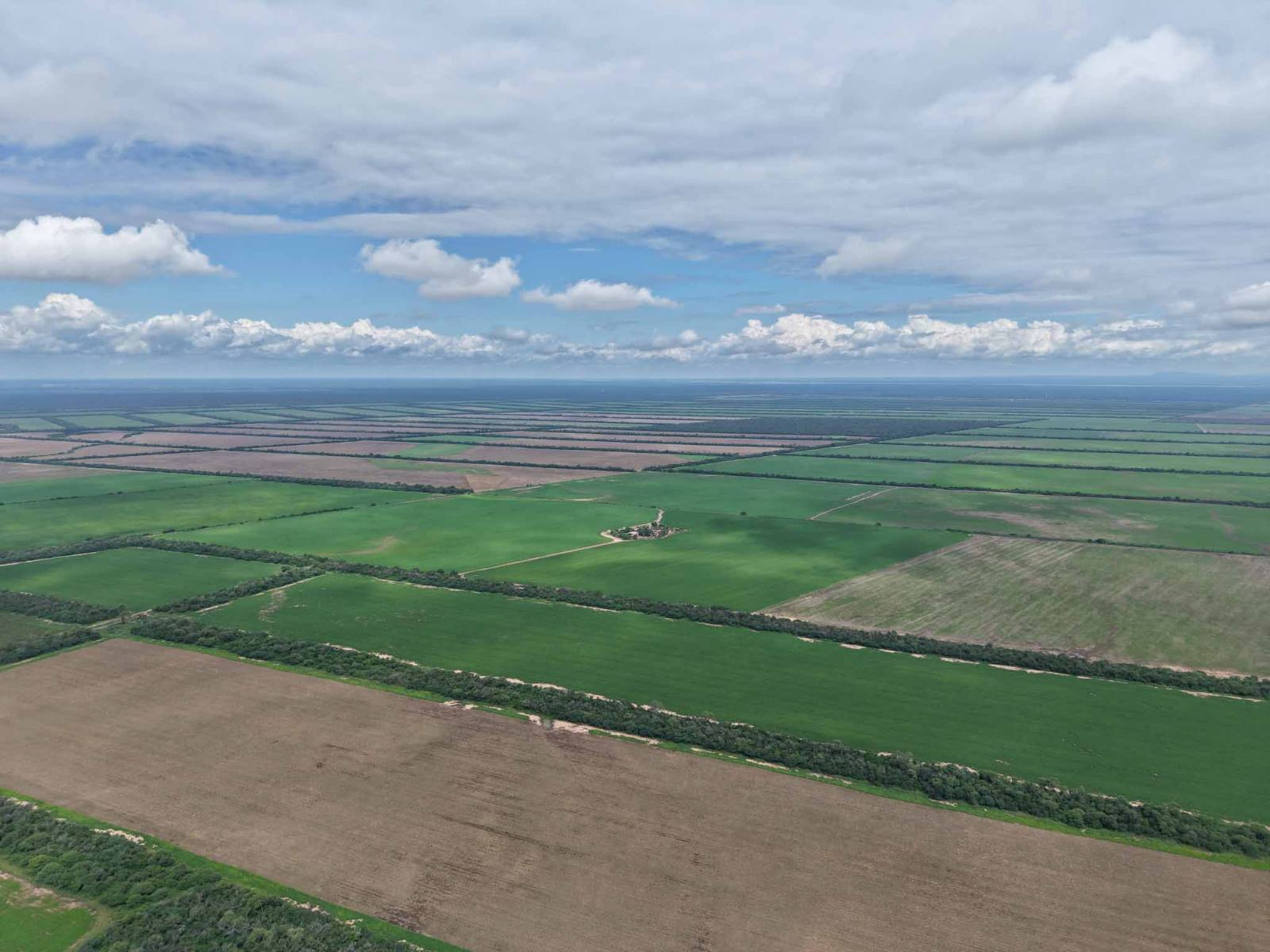
CAMPICHUELO
1.200 ha.
Campichuelo, Salta

Agricultural property of 1,200 hectares, of which 1,065 hectares are dedicated to crop production, while the remainder consists of windbreaks and internal roads.
View more
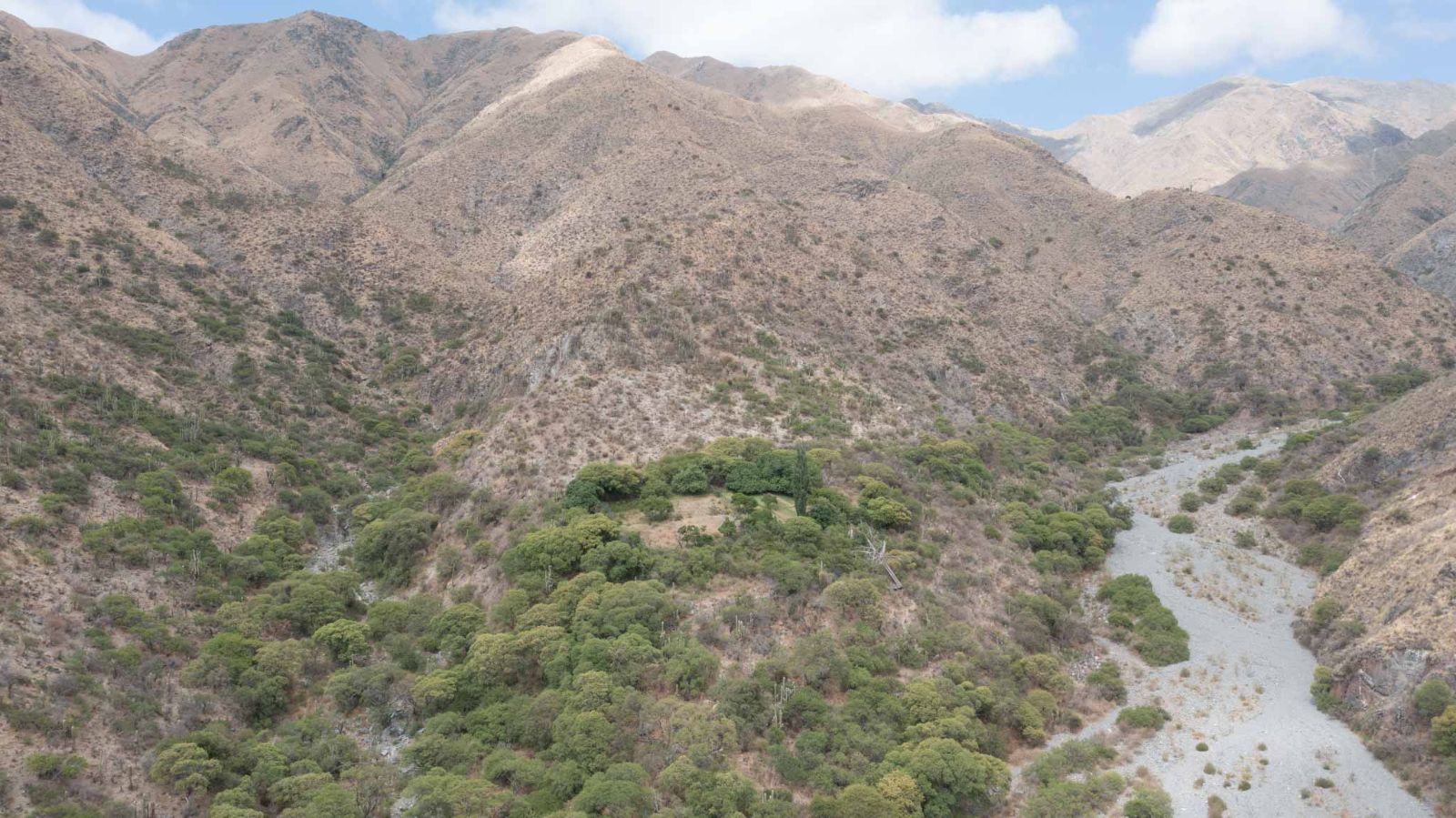
CAFAYATE
1.465 ha.
Cafayate, Salta
Farm suitable for viticulture and tourism development. It has a total area of 1,465 hectares, of which 78 hectares are suitable for vineyards or irrigated crops, featuring good-quality soils, gentle slopes, and reliable water availability.
View more
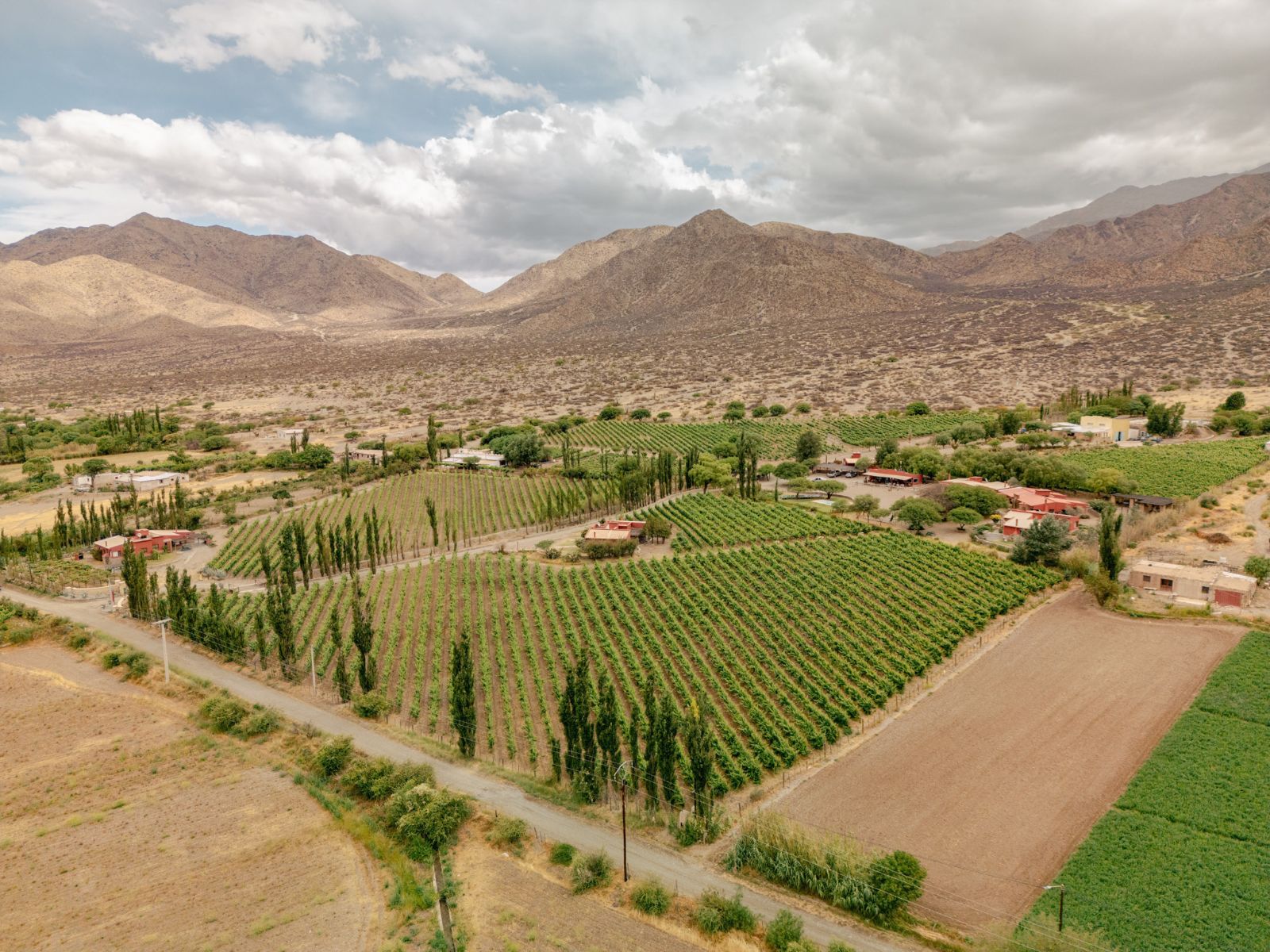
BODEGA MIRALUNA - CACHI
16 ha.
Cachi, Salta
Bodega Miraluna is an estate located in Cachi Adentro, in the province of Salta. It covers 16 hectares nestled in the Upper Calchaquí Valley, at 2,600 meters above sea level, where wines with a distinctive identity are produced thanks to the altitude and the region’s unique microclimate.
View more

